3 Best Reasons Metal Photo Prints Beat Canvas
Explore how high-definition metal photo prints deliver stunning color vibrancy and crystal-clear detail, transforming your favorite photography into modern, gallery-grade wall art

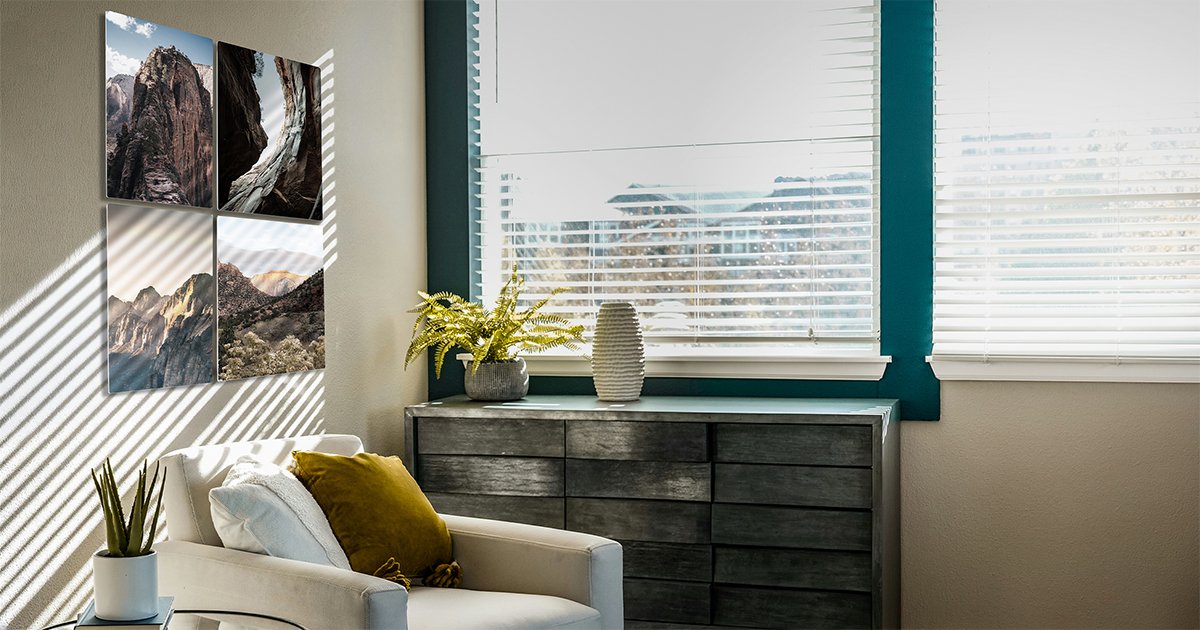
Transforming a blank, uninspired wall into a curated focal point using Metal Photo Prints is one of the most rewarding interior design projects you can tackle. Whether you are settling into a first apartment, upgrading a rental space, or refining a long-term family home, curating a cohesive visual display requires a delicate balance of proportion, storytelling, and premium materials. When it comes to building an unforgettable arrangement, choosing gallery wall Metal Photo Prints offers a sleek, modern alternative to traditional canvas wraps or framed paper posters. By combining high-gloss ChromaLuxe aluminum panels with meticulous custom framing techniques, you can elevate your favorite personal memories, wedding milestones, and artistic captures into lasting works of fine art that command attention and spark conversation.
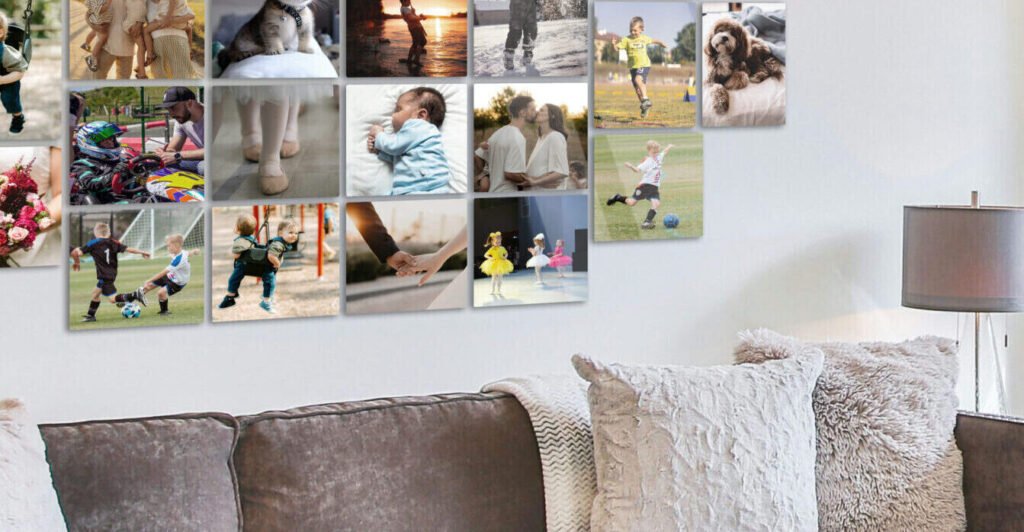
For decades, standard photo displays relied on traditional paper prints tucked behind glass frames or stretched canvas wraps. While these mediums have their place, they often come with significant drawbacks that frustrate homeowners. Paper prints are notoriously vulnerable to humidity, warping, and fading under direct sunlight. Canvas wraps, on the other hand, can sag over time, accumulate dust in their textured fabric weaves, and absorb moisture from ambient air in high-humidity living areas.
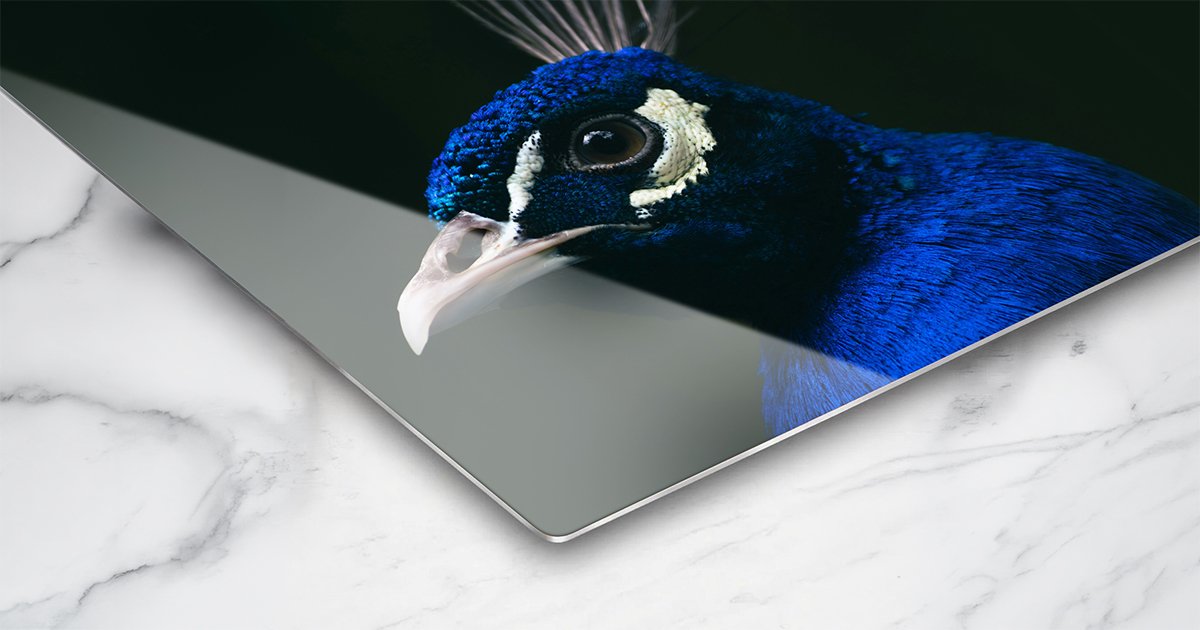
In contrast, modern dye-sublimation printing technology allows vibrant inks to be infused directly into specially coated aluminum sheets. This locks the image permanently beneath a hard, ultra-glossy surface. The results are breathtaking: exceptional clarity, deep, rich blacks, and brilliant luminance that catches natural sunlight without degrading. Furthermore, aluminum panels are completely rigid, resistant to warping, moisture-proof, and exceptionally easy to clean. When you are putting together a multi-piece focal display, the clean, modern edge profile of high-end Metal Photo Prints creates a polished, sophisticated aesthetic that standard framed prints simply cannot match. Use our custom interactive designer on the custom page to map out your multi-panel layout and find your ideal finish.
Beyond the physical durability of aluminum, the aesthetic shift toward Metal Photo Prints represents a broader evolution in interior design. Modern architecture favors clean lines, open spatial planning, and industrial-chic elements like brushed steel, glass, and polished concrete. Traditional heavy wood frames and glossy paper prints can often clash with these minimalist or contemporary environments.
Metal prints bridge the gap between fine art and industrial design, introducing a refined luster that complements modern fixtures, recessed lighting, and neutral color palettes. They do not merely hang on a wall; they interact with the architecture of the room, creating an integrated design statement that feels completely at home in twenty-first-century residences. Furthermore, the tactile nature of metal appeals to contemporary homeowners who value touch points of genuine quality over mass-produced decor items purchased from big-box retailers.
When planning a gallery wall with metal prints, a successful display relies heavily on visual hierarchy rather than random clustering.
A popular and highly effective configuration for modern living spaces is an upscale 7-piece gallery display. You can anchor this layout with a prominent 15×18.75″ centerpiece—ideal for a marquee wedding portrait, a sweeping landscape, or a cherished family milestone. Flank or surround this large statement piece with six balanced 6×6″ square prints showcasing complementary memories, close-up details, or architectural shots. This geometry creates a natural rhythm for the eye, guiding viewers through your visual story while maintaining architectural balance on the wall.
When designing this layout, you must also consider the surrounding furniture and room dimensions. For example, a gallery arrangement positioned above a living room sofa should ideally span roughly two-thirds to three-quarters of the couch’s total width.
If the grouping is too small, it will look lost and disjointed against a large expanse of empty drywall. Conversely, if it extends far beyond the edges of the furniture below it, the display can make the room feel top-heavy and visually cluttered.
Establishing a clear visual baseline—such as aligning the bottom edge of your outer frames with a specific eye-level or furniture line—binds the entire composition together into a unified work of art. Taking these spatial metrics into account prevents awkward visual imbalances and ensures your gallery wall commands the room with effortless poise.
A stunning high-gloss print deserves backing and mounting hardware built to match its quality. Unfortunately, many commercial photo labs cut corners by shipping flimsy cardboard backings or weak sawtooth hangers that cause prints to warp or sit unevenly against the wall. Premium custom craftsmanship involves building rigid, professional-grade medium-density fiberboard (MDF) frame backings tailored precisely to each individual panel.
Using a pneumatic picture frame v-nailer ensures the backing framework is structurally tight, perfectly square, and robust enough to withstand decades of display. To complete the assembly, secure mounting pads and high-strength acrylic foam tape are applied to the back structure. These specialized pads serve a vital dual purpose: they protect your wall surface from direct friction and offset the metal panel precisely, allowing it to “float” off the wall with crisp, dimensional shadow lines that add incredible depth to your room.
This hidden engineering is what separates amateur DIY projects from professional gallery-grade installations. Without proper structural backing, thin aluminum sheets can easily bow or flex when mounted, distorting reflections and ruining the optical illusion of a flawless floating panel. Furthermore, high-strength mounting tape distributes the weight evenly across the MDF sub-frame, preventing stress concentrations that could compromise the wall anchors over time. Investing in robust backing systems guarantees that your artwork remains completely flat, secure, and pristine for generations, standing up to the rigors of seasonal temperature fluctuations and home humidity shifts without structural fatigue.
Investing in a cohesive gallery wall with metal prints bridges that gap perfectly. Because ChromaLuxe aluminum panels are virtually indestructible, scratch-resistant, and immune to humidity fluctuations, they act as durable, lifelong keepsakes. They bring a luxury fine-art sentiment into modest spaces, proving that you do not need a massive home budget to curate an environment that feels deeply personal, sophisticated, and professionally styled.
Moreover, because Metal Photo Prints require no exterior glass framing or specialized matting, you save money on expensive custom framing services while achieving a much cleaner, more contemporary look. A single investment in a multi-piece metal display eliminates the need to constantly replace fading paper prints or torn posters. It is a sustainable, cost-effective approach to interior decoration that prioritizes long-term quality over short-term trends, ensuring your cherished memories are preserved with maximum visual impact. Over time, the durability of aluminum outlasts dozens of traditional frames, making it an economically savvy choice for style-conscious homeowners.
One of the most profound advantages of utilizing Metal Photo Prints for your gallery wall lies in how light interacts with the print surface. Traditional photographic paper absorbs light through its emulsion layers, which can soften details under harsh indoor lighting. Canvas diffuses light across its textured fabric surface, muting contrast and dulling dark tones.
Metal printing changes this dynamic entirely. Because the coating is infused right into the treated aluminum substrate, light passes through the transparent dye layer, bounces off the reflective white metal base, and projects back through the image toward the viewer. This creates an internal luminance effect that makes colors appear intensely saturated and vivid. High-gloss finishes maximize this reflective property, giving images a three-dimensional depth that mimics high-definition screens while retaining a completely organic, tactile feel. Matte finishes are also available for environments with heavy overhead glare, diffusing ambient light evenly without sacrificing tonal range or sharpness.
Understanding this optical behavior allows you to strategically choose between gloss and matte coatings depending on your room’s natural lighting conditions. In North-facing rooms with soft, indirect daylight, high-gloss aluminum panels amplify available light, making colors pop with startling brilliance. In South-facing rooms flooded with direct sunlight, a matte or satin finish may be preferred to eliminate specular reflections while still retaining the rich blacks and crisp structural rigidity unique to metal prints. This fine control over light reflection gives designers an incredible tool to dictate mood, warmth, and visual clarity across different rooms.
Curating the actual photographs for your gallery wall with metal prints requires careful editorial judgment.
Furthermore, consider scaling your subject matter. Your large 15×18.75″ centerpiece should feature a wide-angle scene or a strong portrait with clear visual impact from a distance. The surrounding 6×6″ square prints work best when they feature tighter crops, macro details, texture studies, or intimate candid moments. This contrast in scale prevents the wall from feeling repetitive and ensures that every individual panel captures distinct attention when observed up close.
When selecting photos from family vacations, weddings, or artistic excursions, look for images that share a common tonal narrative. A collection that blends golden-hour warmth with deep, moody blues can tell a compelling visual story, provided the transition between panels feels intentional. Avoid overcrowding your layouts with too many competing subjects; letting certain panels breathe with minimalist compositions gives the human eye natural resting points as it sweeps across the arrangement. By curating with intentionality, your final display transforms from a random photo album into an evocative visual journey.
Wall art is subjected to various environmental stressors over its lifespan, including kitchen grease, airborne dust, fluctuating indoor temperatures, and seasonal humidity shifts. Traditional wood frames and paper prints degrade rapidly under these conditions, often developing mold spots, rippling, or yellowing adhesives within a few short years.
Metal Photo Prints completely bypass these vulnerabilities. The dye-sublimation process creates a sealed chemical bond that is impervious to moisture, meaning these prints can safely adorn high-humidity areas like bathrooms or kitchens without risk of deterioration. Furthermore, the hard surface is scratch-resistant and can be wiped clean with a microfiber cloth and standard glass cleaner, ensuring your gallery display looks just as vibrant decades from now as it did on the day you hung it.
This exceptional environmental resistance also makes metal prints an ideal choice for sunrooms, entryways, and coastal homes where salt air and intense UV exposure quickly destroy standard paper media. Because the dyes are infused deep within the protective polymer coating rather than resting on the surface, they offer superior resistance to fading from ultraviolet radiation. Your investment remains as striking and pristine as the day it was unboxed, withstanding the rigors of daily family life without missing a beat or showing signs of aging.
Lighting can completely make or break a wall display. While natural sunlight streaming through a window brings out the high-gloss vibrancy of aluminum prints during the day, nighttime requires intentional artificial illumination to maintain that gallery-quality presence.
When positioning accent lighting, avoid harsh, direct spotlights that cause blinding glare on glossy metal surfaces. Instead, opt for wall-washing track lighting, recessed adjustable gimbal fixtures, or sleek picture lights mounted slightly above the top frame border. Placing your light source at a thirty-to-forty-degree angle ensures that the illumination washes evenly down the wall, highlighting the dimensional floating shadow lines and maximizing the internal luminance of the ChromaLuxe coating without casting unsightly hotspots across your favorite memories.
Dimmable LED systems offer ultimate flexibility, allowing you to lower the ambient light levels during evening hours to create a warm, intimate atmosphere that accentuates the rich contrast of your metal prints. By treating your home gallery wall with the same professional lighting principles used in commercial art museums, you elevate personal photographs into captivating museum-grade exhibits that command respect and admiration from every visitor who enters your home.
If you are working with tight spatial dimensions, narrow hallways, or cozy studio apartments, choosing the right wall decor can profoundly alter how expansive the room feels. Heavy, dark wood frames tend to crowd a small space, creating a visual barrier that makes walls feel closer than they actually are.
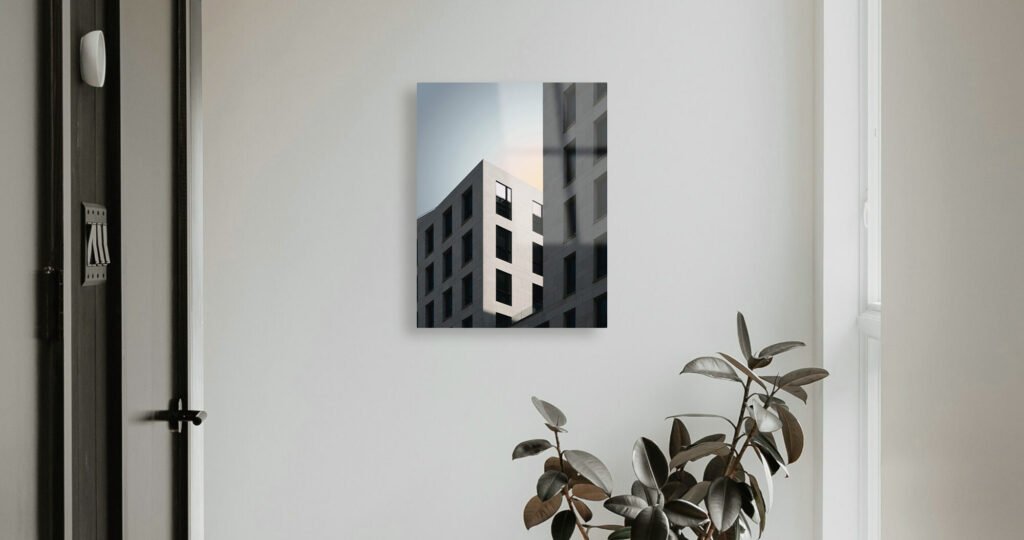
Aluminum photo panels offer a brilliant architectural solution. Because high-gloss metal prints reflect ambient room light, they act almost like subtle mirrors, bouncing brightness back into dark corners and visually expanding the perceived boundaries of the room. By arranging a thoughtfully spaced vertical or horizontal runner layout in a narrow corridor, you instantly draw the eye along the length of the space, turning a cramped architectural bottleneck into a sophisticated art gallery walk.
In compact bedrooms or home offices, replacing bulky framed posters with floating Metal Photo Prints creates a clean, streamlined profile that keeps walls feeling light and uncluttered. Because the panels sit flush or float just inches off the drywall with minimal hardware intrusion, they occupy virtually zero physical room depth while providing immense visual depth. It is an ideal design strategy for modern urban living where every square foot counts toward creating an open, breathable sanctuary.
Before sending your digital photos off for metal printing, understanding how digital color profiles translate onto aluminum is essential. Computer monitors emit light directly through RGB pixels, which can make shadow details and color saturation look vastly different on screen than they do when transferred via CMYK or specialized dye-sublimation ink profiles.
To ensure your printed gallery wall achieves maximum visual punch, apply a slight contrast boost and verify that your shadow areas retain discernible detail rather than crushing into solid black. Because aluminum panels have an inherent luminous white base, bright highlights and vibrant sky tones will naturally pop with extraordinary clarity. Fine-tuning your contrast curve beforehand ensures that your finished metal prints maintain striking depth, rich tonal graduation, and lifelike skin tones under standard domestic lighting.
Professional photographers often use soft-proofing profiles to preview how their digital files will render on aluminum substrates. By running test prints or calibrating your editing workflow to account for the unique reflectance of dye-sublimation coatings, you eliminate guesswork. The result is a breathtaking final display where every highlight gleams with natural radiance and every shadow holds rich, tactile texture that draws viewers in for a closer look.
Beyond individual panel selection, the physical spacing between each piece dictates whether a gallery wall with metal prints feels unified or cluttered.
When mixing horizontal and vertical orientations in a larger layout, anchor the outer perimeter of your grouping within an invisible geometric boundary—such as a clean rectangle or a balanced square. This prevents the arrangement from drifting awkwardly across the drywall. By anchoring the layout structure with precision and maintaining uniform spacing, your home decor transforms from a casual assortment of photographs into an intentional, high-end fine art exhibition.
Taking the time to map out these spatial relationships prevents common amateur mistakes, such as hanging pieces too high or crowding frames too tightly together. By treating the wall as an architectural canvas where negative space is just as important as the artwork itself, you achieve a balanced, harmonious composition that feels effortless, polished, and profoundly professional.
Once your custom metal prints arrive, laying out the display properly ensures a stress-free, mistake-free installation:
By prioritizing exceptional print materials, thoughtful layout geometry, and robust custom backing hardware, your gallery wall will stand as a durable, elegant centerpiece in your home for years to come.
Explore how high-definition metal photo prints deliver stunning color vibrancy and crystal-clear detail, transforming your favorite photography into modern, gallery-grade wall art

A photographer captures a scenic mountain landscape, previewing a shot that bridges fine art photography and vibrant metal wall art.
We accept most standard formats.
Naming: Please name your images to match your desired layout (e.g., 01_Large, 02_Small).
Large Files: If files exceed 20MB, please provide a link to a cloud storage folder.
Notes: Add specific size or placement details in the 'Project Details' box.
A successful Seattle psychologist who is in her 30s has created a high-end clinical warmth by furnishing her office with mid-century modern and a charcoal couch. To give her clients an extra special experience, the psychologist presented a four-panel gallery of 15" x 18.75" metal prints of misty forests or her Chicago upbringing. She decided to go for a glare-free matte finish to put the deep colors of the metal prints on full display. This way, the artwork creates an illusion of a luxury getaway in her office.
Young newlyweds in their 20s at ASU bring "high-end sentiment to a student budget" as they navigate their college experience, balancing work and school, transforming a standard apartment into a home. To personalize their space and commemorate their journey, they opt for an upscale 7 piece gallery display, with a 15x18.75'' centerpiece of their wedding portrait framed by six 6x6'' square prints of their memories. The images are printed in large high gloss format to be captured in all their glory in the Arizona sun, creating durable keepsakes that will survive their temporary stay in the house.
A busy Austin-area mom organizes her suburban home so that she and her husband can enjoy the important transition of bringing their first child home while still balancing their careers that require working from home. To keep these moments front and center as they occur at her desk, she displays a compact, cohesive gallery of 4" x 6" glossy metal prints in her home office. By going with this easily expandable option with a brilliant, wipe-clean gloss, the colorful art serves as a premium story wall that beautifully chronicles their life as a family of three.
An adventurous Portland couple in their 30s recently moved in together for the first time, balancing their busy careers with frequent escapes to tropical getaways. To personalize their rental space and commemorate their love of travel, they've created an eye-catching 4x5 grid of 20 small 5" x 5" glossy metal prints that mimic an aspirational instagram feed of their adventures. The couple invested in a versatile, rental-friendly display solution that would let them curate and update their gallery-quality HD metal print collection in a portable, easy-to-reconfigure format that evolves with every new destination.
A high-energy San Antonio family makes room for chaos and creativity in their home, where a couple and their two children try to savor every precious second before the little ones head off to collegeTo make sure they can enjoy every single detail without losing sight of the big picture, these proud parents have created a beautiful 24-pieces mosaic timeline that highlights the family's 15x15, 15x18.75, 14x18, 12x18 glossy metal prints arranged into a single large composition. Everything fits perfectly to create a cohesive whole, while being wipe-clean for easy cleaning and ready to survive the messy toddler years.
A dentist based in the Atlanta area brings 'Southern luxury meets high-tech precision' to the practice that he shares with multiple colleagues, and manages to make time for both in the busy schedule of tending to his two teenage children. To set the mood in his treatment rooms and patient lounge, the dentist displays a pair of sleek 12" x 18" metal pieces in the form of black-and-white landscapes on the accent wall. The upscale look of the artwork in an extra glossy finish fits right in with the modern image of the well-equipped dental office, and at the same time offers a heavy-duty yet easy-to-clean surface that is perfect for a high-traffic setting.
A driven UC Merced student in his early 20s brings "creative-academic meets modern-industrial style" to his shared apartment in the form of a single 12" x 18" statement metal print above his desk while pursuing law school and nurturing his passions for landscape photography to create this inspiring showcase. To ground his compact, multi-purpose bedroom and maintain inspiration close at hand during his studies, he displays a single large statement print in a high-gloss finish that makes the vibrant alpine light pop with professional gallery quality while being ultra-durable for his moveable future in the legal profession.